
Month: September 2025

20 Easy Tips For Pat Testing And Fire Extinguisher Servicing In Lichfield20 Easy Tips For Pat Testing And Fire Extinguisher Servicing In Lichfield

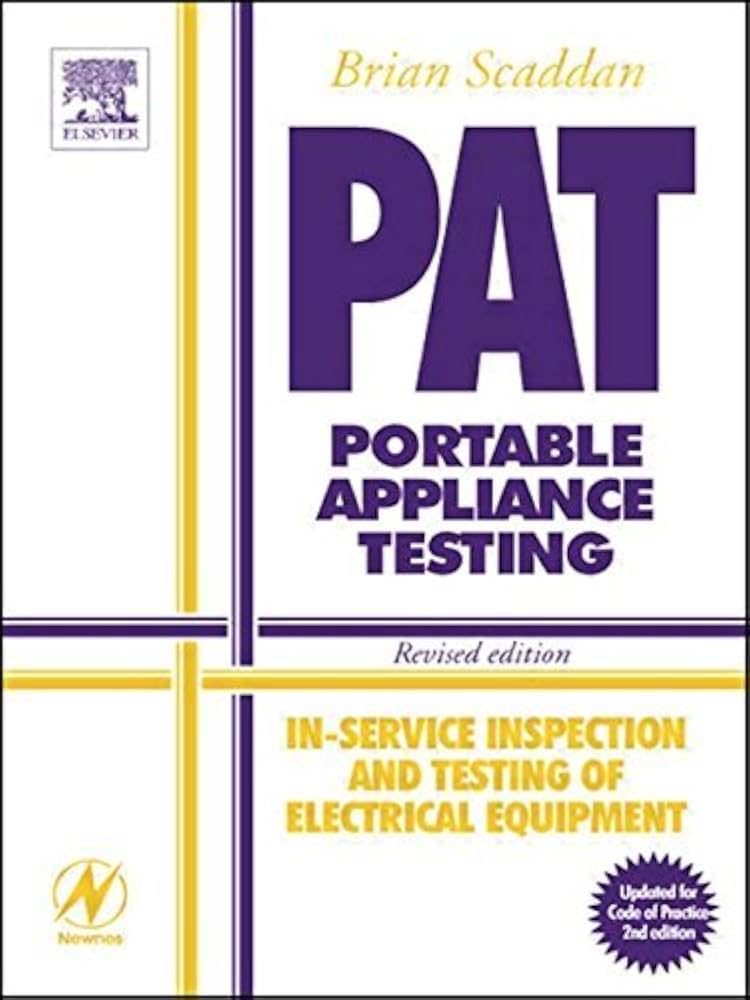
Top 10 Tips For Assessing The Legal Compliance For PAT in Lichfield
The UK regulatory framework for Portable Appliance Testing is fundamentally distinct from that of fixed electrical installations and fire safety equipment. Unlike the fire extinguisher testing that is subject to British Standards and third party certification schemes, the PAT test is governed under a health and safety framework which emphasizes duty of care and risk assessment rather than mandatory schedules for periodic testing. Electricity at Work Regulations 1988, which states that electrical equipment must be maintained for safety purposes, is the main legal requirement. The Regulations are silent on how this should be done, nor do the regulations specify a testing schedule or methodology. It is the responsibility of the dutyholder, usually the employer, to carry out a sufficient and suitable risk assessment in order to determine the appropriate maintenance and inspection program. Compliance can't be proven by just a bunch of test certificate. Instead, it must include a demonstrated process of decision-making based on risk, competent execution, and thorough documentation.
1. Electricity at Work Regulations of 1989
Regulation 4(2) of 1989's Electricity at Work Regulations is a cornerstone to PAT test compliance. This regulation states that "As it may be necessary to avoid danger, all system shall be maintained in order to prevent, to the extent reasonably practicable, any such danger." The regulation imposes a duty of care on employers and their duty holders. The term "system" includes portable appliances. Crucially, the regulations do not mention "PAT testing" specifically; they mandate "maintenance," which is a broader concept encompassing visual inspection, user checks, and combined inspection and testing. The type and frequency of maintenance is determined by the risk analysis, not by a legal deadline.

2. The Role of the Health and Safety at Work etc. Act 1974
The Health and Safety at Work and Other Legislation Act 1974 establishes general obligations employers have to employees and others. The Act of 1974, which is the most important piece of legislation, outlines the duties that employers have toward employees and others. According to Section 2 of this Act, employers must ensure that all employees are safe and healthy, in the best way possible. Electrical equipment is included in the safe operation of electrical systems and plant. In Section 3, this duty extends to those not under their employment such as visitors and contractors. PAT tests are a great way to ensure electrical equipment safety.

3. Code of Practice of IET for the In-Service Testing and Inspection of Electrical Equipment
It is not a law but the Institution of Engineering and Technology Code of Practice for PAT Testing is universally accepted. The code provides detailed guidelines on implementing an appropriate maintenance regime.
Definitions of appliance classes, types and categories
Details procedures for formal inspections of the product and inspections with testing.
Initial recommended frequency for inspections and tests based on the equipment type and operating conditions.
Test results are graded as pass/fail.
Courts and Health and Safety Executive (HSE) inspectors will use this code as the standard to judge whether a dutyholder's maintenance regime is "suitable and sufficient." The failure to adhere to the overall regulations can be interpreted by courts and inspectors of the Health and Safety Executive (HSE) as deviations from the code.

4. Risk Assessment is the Priority
The HSE explicitly advocates a risk-based approach to PAT testing, moving away from the outdated concept of blanket annual testing for all equipment. Dutyholders are required to conduct a thorough risk assessment in order to determine whether inspection and testing is necessary, what type of inspection and test should be conducted, and how often. The following are key factors that influence this assessment:
Equipment type. In a low risk environment, a double-insulated appliance (Class II) may only require visual checks. But a class I appliance in an industrial workshop may require formal testing on a regular basis.
Environment: Construction sites, warehouses, and workshops are high-risk environments. Hotels and offices pose a lower level of risk.
Users: Is the person using equipment a member of your staff?
Are you familiar with the appliance’s past history?
A compliant system is defined by this risk assessment, not by the volume of tests conducted.

5. The concept of "Competence", for testers
Regulation 16 of the Electricity at Work Regulations 1989 requires that persons engaged in work on electrical systems must possess the necessary technical knowledge and experience to avoid danger. In PAT tests, "competence", does not always require formal qualification. However, the tester must possess:
You should have a good understanding of electricity.
Understanding and practical experience of the system on which they are working.
Understanding the hazards to be aware of and what precautions are needed.
Ability to correctly operate the test equipment, and interpret the results.
City & Guilds' 2377 qualification is a very popular qualification, and it provides an excellent education. But competence can also be attained through other means. The dutyholder will need to prove that the tester is competent.

6. Documentation and Records-Keeping Requirements
The Electricity at Work Regulations do not explicitly require record-keeping. Regulation 29 however states that proving due diligence and taking all reasonable steps in order to avoid committing the offense is a defence. The primary evidence for due diligence are comprehensive records. A compliant record-keeping system should include:
An asset register of equipment.
The record of risk assessment with the maintenance plan.
Detailed inspection and testing reports, including appliance descriptions, test results, pass/fail state, date for next test, tester's name, etc.
HSE or the local authorities can easily access these records.

7. Labeling and identification of Appliances
Labelling is an important part of a PAT system that's compliant. Each appliance that has undergone a formal combined inspection and test should be labelled with:
A unique asset number that identifies it with the record.
Date of the test
Date for next test (or inspection).
The name or identifier of the tester.
The label serves as a clear indicator to users and inspectors about the appliance's level of compliance. Labels should be durable, non-metallic, and non-conductive.

8. The HSE Enforcement stance, and "Myth-busting"
The HSE is actively working to dispel misconceptions surrounding PAT tests. They say:
There is no legal requirement to have an annual test for all equipment.
There is no legal requirement that businesses use third-party contractors if their staff are competent.
Visual inspection is more important than electronics testing, and can detect the majority faults.
A law enforcement officer will be looking for a risk based approach. A company blindly testing all equipment every year without a supporting risk assessment may be viewed less favourably than a company that can justify a longer testing interval for low-risk equipment through a robust assessment.

9. Interplay with Other Legislation: PUWER 1998
The Provision and Use of Work Equipment Regulations of 1988 (PUWER), applies also to portable devices. PUWER requires that work equipment be suitable for its intended use, maintained in a safe state, and inspected to ensure it remains safe. Inspections are required by Regulation 6 when safety depends on the installation conditions. PAT testing is a key method of fulfilling PUWER's maintenance and inspection requirements for electrical work equipment, creating an overlap between the two regulatory frameworks.

10. Insurance implications and due diligence
While the law is based on risk assessment, insurance companies may have specific requirements. Insurance policies may require that third parties conduct PAT testing annually as a requirement for coverage. Unable to comply with this requirement could invalidate your claim. In the event of a serious electrical accident, insurers and HSE inspectors will first examine the dutyholder’s PAT test records and risk assessments. A documented, risk-based approach is the best possible proof of due diligence. It also provides a strong defence against prosecution and invalidated insurance claims. View the top rated Lichfield fixed electrical testing for website info.
Top 10 Tips For Cost Transparency Of The Fire Extinguisher Services in Lichfield
Cost transparency is more about regulatory compliance and risk management rather than price comparison. The strict regulatory framework in the United Kingdom that is governed by the Regulatory Reform Order 2005 (Fire Safety), can make price transparency a source of regulatory gaps, and result in unexpected liability. Transparent quotations provide a framework for the kind of service you can count on. They reflect the provider's dedication to British Standards and ethical business practices, in addition to their conformity to British Standards. Unknown fees, unclear line items or unclear replacement policies aren't just financial concerns–they are important red flags that could indicate issues with service quality, compliance documentation, and ultimately the legal due diligence you must perform. Transparency in costs allows you to make educated decisions that are able to balance your budget with the legally binding requirements of fire safety laws. This helps avoid any unwelcome surprises or invalidation of insurance.
1. The breakdown of the cost of a service visit Parts, Labour, and Consumables in Lichfield
A clear quote should detail the costs for every service. An estimate for a regular service should separate out the labour costs for the engineer (his time spent on site) and the parts that need to be replaced (e.g. brand new seals and labels) and the consumables. This shows that the service provider doesn't cut corners by reusing seals, and fails to properly recharge units. It permits fair comparison between providers because a low price may not include these essential elements, making it misleading.

2. Pricing Model Clarity: All-Inclusive vs. Pay-As-You-Go
The price quote should clearly identify the pricing model being used. The All-Inclusive contract (or Fixed Price) must contain one price for all scheduled services including refills, parts, and labour. No hidden fees are permitted on 10-year or 5-year services. The Time and Materials and Pay-As You Go models come with low annual fees, but they will charge you more for any additional services. Transparency is crucial to avoid budget-related shocks many years into a contract, and to understand the risk to financials (for expensive overhauls) is actually located.

3. Costs for extended service (5 and 10 years).
Cost surprises are more likely to happen when services are extended. Transparent companies won't conceal future costs. They will provide a clear price or schedule within the quotation, projecting the cost of a 5-year extended service (for foam, water, and powder) and a 10 year overhaul and pressure test (for CO2) for each type of extinguisher you have. It is then possible to budget for the duration of the contract and determine the long-term benefits of a package that includes everything instead of paying per-use.

4. Guidelines for Equipment Replacements and Condemnation in Lichfield
This is an important area where transparency is required. Quotes must include information on the provider's policy for extinguishers which have reached "beyond economic repair" (BER) status. This includes scenarios such as corrosion or significant damage. Are they able to provide an alternative that is comparable? What is the price? Does the provider offer discounts for returning an old unit? If you don't have clear information, it is possible that your provider might employ equipment condemnation to charge you unexpectedly expensive costs for the replacement.

5. Additional and hidden fees Additional and Hidden Fees: Call-Outs, Mileage charges, Admin in Lichfield
Make sure to review the fine print in the quote. A reputable company will list these upfront. These fees include: mileage charges (over the distance of a specific amount) as well as emergency call-out costs (and expenses during non-business hours) and administrative charges (for processing certifications or paperwork), parking/congestion charges (especially in cities with central Lichfields) and administrative costs. The estimate may be low due to the fact that these expenses were not included. These will be added to the bill.

6. Quote Validation Period and Price Guarantee Conditions in Lichfield
A professional quotation will specify a clear validity period (typically 30 to 90 days), protecting you from price increases once you have decided to proceed. When it comes to contracts that are longer-term, it is also important to mention any conditions of a price guarantee. Will the annual charge be fixed throughout the duration of the contract? The annual fee will increase in accordance with an index such as CPI? or is it subject to a discretionary annual review? Transparent conditions avoid disagreements and guarantee budget stability.

7. Differentiated pricing by extinguisher type and size in Lichfield
The cost of service can be wildly different depending on the size and type of extinguisher. A clear quotation does not contain a single cost. The costs per unit will be listed, distinguishing between an example of an a 6-litre wet-chemical unit, a 2 kg CO2 unit, or a 9 litre water extinguisher. This will give you a complete and unbiased assessment of your particular inventory and the work that is actually required instead of an averaged estimate, which may overcharge you for simpler units.

8. Documentation and Certification Costs in Lichfield
It is not a requirement to issue a legal certificate of conformity. To include the expense of producing the certificate, issuing it and maintaining this crucial document in the charge for service, it must be listed. It should not be mentioned as a line item on an unambiguous quote or included as an "admin charge" to the final invoice. If a service provider charges additional for the exact document that proves the work was done legally, it's an important warning sign of poor practices.

9. Payment Terms and Schedule in Lichfield
A clear and reasonable payment policy are a sign of a reliable supplier. The quotation should include the frequency of invoice (annual or quarterly) and the accepted payment methods, as well as net payment terms. You should know if you need to pay in advance for the service or when the service is finished. Avoid companies that require payment for the entire annual contract upfront before any service has been performed.

10. Comparison Framework for Comparing Quotes of Competing in Lichfield
True transparency allows you to evaluate the same item with similar. An unspecific quote renders this difficult. The provider should provide a thorough and detailed breakdown of the costs that will allow you to compare directly the cost of servicing an extinguisher that weighs 2kg with CO2 Company A and Company B. It should include the cost for the annual maintenance, the estimated costs for its 10 year tests, and the cost of replacement in the event of a defunct extinguisher. Compare apples and oranges when you do not provide the particulars. The lowest first quote is usually the most costly long-term partner that is accompanied by severe compromises to the safety and compliance. Check out the most popular fire extinguisher service in Lichfield for website examples.

How To Prevent Hayati Vape Dry Hits?How To Prevent Hayati Vape Dry Hits?

Are you tired of that scorched, throat-scraping sensation that ruins an otherwise perfect vape session? Nothing kills the vibe faster than a dry hit — that harsh, burnt taste that sneaks in just when you’re about to relax. The good news? It’s entirely preventable.

Imagine inhaling smooth, flavorful clouds every single time, with your hayati pro ultra 25000 puffs performing at peak perfection. No more wincing, no more wasted e-liquid, no more frustration. The secret lies in a few simple habits and techniques that keep your coil saturated, your wick healthy, and your device working like a dream.

Whether you’re a casual user or a cloud-chasing enthusiast, mastering these steps transforms your experience into something consistently enjoyable. So, if you’re ready to banish dry hits for good and enjoy a cleaner, more flavorful draw, read on — the solution is simpler than you think, and the payoff is undeniable. Your taste buds will thank you.

What Are Dry Hits?

A dry hit happens when your vape coil is heated without enough e-liquid on the wick. Instead of vaporizing juice, the wick burns, releasing an unpleasant, burnt flavor. This can happen with pod systems, mods, and disposables if not properly maintained.

Signs of a Dry Hit

  • Harsh burnt taste

  • Irritated throat

  • Sudden drop in vapor production

  • Overheating of the coil

Recognizing these signs early helps you stop vaping before further damage occurs.

Causes of Dry Hits in Hayati Vapes

Understanding why dry hits happen is the first step toward prevention.

1. Low E-Liquid Levels

The most common cause is simply running low on vape juice. When the tank or pod is nearly empty, the wick can’t stay saturated.

2. Chain Vaping

Taking puff after puff without giving the coil time to re-saturate the wick leads to overheating and burning.

3. Incorrect Wattage

Using wattage higher than the coil’s recommended range can scorch the wick.

4. Poor Priming

When installing a new coil or pod, failing to let the wick absorb e-liquid fully before vaping is a recipe for instant dry hits.

5. High VG Liquids

E-liquids with high VG (vegetable glycerin) are thicker and may not wick fast enough, especially in pod systems like Hayati.

6. Dirty or Old Coil

As coils age or gather residue, wicking slows down, leading to occasional dry puffs.

Step-by-Step Guide to Preventing Dry Hits

Now that you know the causes, let’s get into actionable solutions.

Step 1: Keep Your Tank or Pod Filled

Make a habit of topping up before the e-liquid gets too low. A good rule is to refill when the level drops below 1/3.

Step 2: Prime Your Coil Properly

When replacing a coil:

  1. Add a few drops of e-liquid directly onto the cotton holes.

  2. Fill the tank and wait 5–10 minutes before your first puff.

  3. Take a few gentle primer puffs without firing the device.

Step 3: Stay Within Recommended Wattage

Check the coil’s rating and adjust your device settings accordingly. Running too hot burns wicks fast.

Step 4: Avoid Chain Vaping

Take slow, steady puffs and allow time for the wick to re-saturate. A 20-30 second pause between draws is ideal.

Step 5: Choose the Right E-Liquid

If you’re using a pod-based Hayati vape, stick with 50/50 PG/VG e-liquids or those designed for pod systems.

Step 6: Regularly Clean or Replace Coils

Coils have a limited lifespan — usually 1–2 weeks for heavy users. Replace them when flavor drops or you notice gunk buildup.

Step 7: Store Your Device Correctly

Keep your vape upright when possible to ensure proper wicking and avoid leaks.

Best Practices for Hayati Vape Maintenance

Clean Your Device Weekly

Residue buildup can affect performance. Disassemble your pod or tank, rinse with warm water (avoid soaking electrical parts), and let it dry fully before reassembly.

Use Quality E-Liquids

Low-quality or overly sweetened e-liquids can gunk up coils faster, leading to wicking problems.

Monitor Battery Output

Low battery voltage can sometimes fail to heat the coil evenly, resulting in inconsistent vapor and potential dry hits.

Keep Spare Coils Handy

Nothing is worse than running into dry hits and having no spare coil to swap in. Always have replacements ready.

Troubleshooting Persistent Dry Hits

Even with good practices, you may still face occasional issues. Here’s how to troubleshoot:

Check for Blockages

Ensure no air bubbles are trapped in the wick area. Flick the pod lightly or tilt it to release bubbles.

Reduce Power Setting

If you’re experiencing dry hits even with enough juice, try lowering your wattage by 5–10W.

Thin Out Your E-Liquid

If using a very thick juice, consider switching to a slightly higher PG ratio for better wicking.

Replace the Coil

Sometimes the coil is just at the end of its life. Replacing it is the simplest solution.

Advanced Tips for Serious Vapers

Learn About Coil Materials

Different coil materials (Kanthal, SS, mesh) heat differently. Mesh coils are less likely to give dry hits because they distribute heat evenly.

Experiment With Puff Style

Direct-lung inhales may require more power and wicking capacity. Adjust your inhale style to your device’s design.

Invest in Quality Pods

Cheap third-party pods may not wick as well as authentic ones. Stick with genuine Hayati pods.

Temperature Control Mode

If your device supports temperature control, use it. TC mode prevents overheating by limiting the maximum coil temperature.

Common Myths About Dry Hits

Myth 1: Dry Hits Are Unavoidable

False. With proper care and technique, you can virtually eliminate them.

Myth 2: All Burnt Taste Means Dry Hit

Sometimes a burnt taste is due to old coils, not necessarily lack of juice.

Myth 3: Chain Vaping Is Safe on Any Device

Even high-end devices need time for wicking. Give your coil time to recover.

Conclusion

Preventing Hayati vape dry hits is not complicated — it’s about understanding your device, keeping your wick saturated, using the right e-liquids, and staying within the recommended wattage. By following this guide, you’ll extend coil life, save money, and enjoy a smooth, flavorful vaping experience.

Consistency is key: always prime your coils, avoid chain vaping, and monitor your e-liquid levels. Over time, these habits will become second nature, ensuring you rarely, if ever, experience another harsh, throat-burning dry hit.

How to turn off voopoo vape?How to turn off voopoo vape?

Ever found yourself confused, wondering how to turn off your Voopoo vape after a long vaping session? You’re not alone. Many new and even experienced vapers face the same challenge—especially with devices that come packed with advanced features, buttons, and modes.

Voopoo vapes are designed to be sleek, powerful, and user-friendly, but figuring out the power settings can be overwhelming if you’re not familiar with the brand’s interface. From pocket safety to preserving battery life, knowing how to properly switch your vape off is not just a matter of convenience—it’s about safety and efficiency.

Imagine leaving your device on in your pocket, only to find the coils burned out, your e-liquid wasted, or worse—an accidental firing that could damage your vape. Learning how to turn off your Voopoo vape properly ensures longer device life, better voopoo coils uk performance, and greater peace of mind.

This guide will walk you step by step on how to power down your voopoo vape pod safely, while also covering related tips for maintenance, troubleshooting, and prolonging your device’s health. By the end, you’ll have all the knowledge you need to manage your vape confidently.


Why Knowing How to Turn Off Voopoo Vape Matters

  • Safety first: A vape that remains on may auto-fire if the button is pressed accidentally in your pocket or bag.

  • Battery life: Leaving your device active drains the battery, even when not in use.

  • Coil protection: Voopoo devices are popular for their smart chip technology, but coils still degrade faster if the vape fires unintentionally. This is particularly relevant for users searching for voopoo coils uk, who want longevity from every coil.

  • Travel security: Airlines, buses, and cars often require vapes to be switched off during journeys.


Step-by-Step Guide: How to Turn Off Voopoo Vape

Step 1: Locate the Fire Button

Almost every Voopoo vape mod, whether it’s the Drag, Vinci, Argus, or others, comes with a large fire button. This button is the main control for powering the device on and off.

Step 2: Use the Standard 5-Click Method

To turn off most Voopoo devices:

  1. Press the fire button 5 times rapidly (within 2 seconds).

  2. The screen will flash or display a “Power Off” message.

  3. Your vape is now safely off.

Step 3: Double-Check the Screen

Some devices may still keep the display dimly lit, but they won’t fire. Always confirm by pressing the fire button once—if it doesn’t fire, the vape is off.

Step 4: Models with Smart Modes

Certain Voopoo devices, especially those with the GENE chip, may also allow you to toggle between Smart Mode and RBA Mode. Powering off is still done with the 5-click method, regardless of the mode.


Variations in Voopoo Models

1. Voopoo Drag Series

The Drag X, Drag S, Drag 3, and Drag Max all share the 5-click rule. They also feature screens that confirm shutdown.

2. Voopoo Vinci Series

The Vinci Pod and Vinci Mod Pod systems are slightly more compact, but the method remains the same. Press 5 times rapidly, and the device powers down.

3. Voopoo Argus Series

The rugged Argus GT and Argus Pro devices feature strong chipsets. Shutdown is identical, but in some cases, you may need to hold down both the + and buttons with the fire button for a full lock.

4. Voopoo Doric Series

Slimmer pen-style vapes like the Doric often combine auto-draw with button firing. These can be powered off with the same 5-click method, but users must be careful not to confuse auto-draw as being “on” all the time—it isn’t.


Tips for Turning Off Your Vape Properly

  • Always wait for the confirmation message on the screen before putting it away.

  • Lock your device if you’re not ready to power it off completely—3 clicks usually locks the button without turning the vape off.

  • Avoid leaving your vape half-powered, as misclicks can damage voopoo coils uk.

  • During travel, fully power down the device to comply with airline or transport rules.


Common Mistakes When Turning Off Voopoo Vapes

  1. Pressing too slowly: The 5-click method only works if you press rapidly.

  2. Forgetting to confirm: Some users assume the vape is off when it’s just locked.

  3. Confusing modes: Switching from Smart Mode to RBA Mode does not power off the device.

  4. Not updating firmware: Occasionally, software updates may slightly change button patterns.


Troubleshooting: If Your Voopoo Vape Won’t Turn Off

  • Battery issue: Remove the battery (if replaceable) as a last resort.

  • Software glitch: Connect your device to Voopoo’s PC software for updates.

  • Button stuck: Dirt or e-liquid leakage may jam the fire button—clean it carefully.

  • Contact support: If your vape remains unresponsive, Voopoo customer service can guide you.


Extending the Life of Your Voopoo Vape and Coils

Turning your vape off properly is just one part of maintenance. To get the best out of your device and voopoo coils uk, consider the following:

1. Prime Your Coils

Always soak your coils in e-liquid for at least 5–10 minutes before use.

2. Avoid Dry Hits

Turning off your vape ensures coils don’t burn when e-liquid is low.

3. Store Safely

A vape that’s off won’t fire in your pocket or bag, protecting both the device and coil.

4. Clean Regularly

E-liquid residue around the button can cause power-off problems. Clean with a dry cloth.


Travel and Safety Considerations

When flying or traveling:

  • Airlines often require all vapes to be turned off completely.

  • Store your device in a carry-on bag, not checked luggage.

  • Remove the pod or tank if possible to prevent leaks.

By mastering how to power off your device, you comply with rules and keep your vape secure.


FAQs About Turning Off Voopoo Vapes

Q1: Do all Voopoo vapes turn off with 5 clicks?

Yes, most models use the 5-click fire button method.

Q2: Can I just lock my device instead of turning it off?

Yes, but locking doesn’t fully power down the vape—it only prevents accidental firing.

Q3: Will turning off my device help coils last longer?

Absolutely. Preventing accidental firing helps extend the lifespan of your voopoo coils uk.

Q4: My vape doesn’t respond to the 5 clicks—what now?

Check the button, battery, or update firmware. If problems persist, contact Voopoo support.


Conclusion

Learning how to turn off Voopoo vape is a simple yet vital skill for every vaper. Whether you’re using the Drag, Vinci, Argus, or Doric series, the 5-click fire button method remains the universal standard. Beyond safety and battery preservation, shutting down your device protects your precious voopoo coils uk, ensuring they last longer and deliver the best vaping experience possible.

By practicing proper care—turning off your device, locking it when needed, priming coils, and keeping it clean—you’ll enjoy a smoother, safer, and more enjoyable vape journey.

What Are The Parts Of A Hayati Vape?What Are The Parts Of A Hayati Vape?

Step into the world of modern vaping where precision meets pleasure. A hayati e cig isn’t just a gadget – it’s a carefully engineered device designed to transform every puff into a smooth, satisfying experience. Imagine holding a sleek tool that hides a labyrinth of components beneath its polished exterior. Each part, from the airflow channels to the coil assembly, plays a vital role in delivering dense clouds and rich flavor.

Curiosity builds when you realize that understanding these hidden parts can actually elevate your vaping journey, helping you choose better devices and even troubleshoot like a pro. Desire kicks in when you picture yourself mastering the anatomy of a hayati e cig, no longer just using it but truly appreciating its craftsmanship. You can almost feel the confidence of knowing how the battery powers the coil, how the tank feeds the e-liquid, and how the mouthpiece guides the vapor perfectly.

Now is the time to uncover the fascinating inner workings of your vape. Keep reading to discover the essential parts of a Hayati vape and unlock the secrets to a more refined, enjoyable experience.

The Basics: What Makes a Hayati Vape Special?

Before we get into the nitty-gritty of the parts, let’s understand why Hayati vapes have become so popular. Known for their sleek design, reliability, and consistent performance, these vapes are often chosen by both beginners and experienced users. They’re portable, easy to use, and designed to provide a smooth hit every time.

Most Hayati vapes are disposable, but they still have the same core components as refillable devices. Whether disposable or rechargeable, these parts work together to heat your e-liquid and turn it into flavorful vapor.

The Main Parts of a Hayati Vape

Here’s a breakdown of each component of a Hayati vape and why it matters.

1. The Mouthpiece (Drip Tip)

The mouthpiece is the first part you interact with — it’s where you inhale the vapor. It’s typically made from food-grade plastic or silicone and shaped for comfort.

Why It’s Important:

  • Provides a smooth airflow for better inhalation

  • Ensures hygiene — it’s the only part that touches your mouth

  • Some devices have ergonomic, leak-resistant designs

2. The Tank or Pod

The tank (or pod, in pod-style vapes) is where the e-liquid is stored. In most Hayati vapes, this part is pre-filled and sealed since they are disposable devices.

Key Functions:

  • Holds the flavored e-liquid

  • Connects directly to the coil for efficient wicking

  • Designed to prevent leaks and spills

For refillable versions (less common for Hayati), you can add your favorite vape juice manually.

3. The Coil (Heating Element)

The coil is the heart of your Hayati vape — this is where the magic happens. It’s made of resistance wire (like Kanthal or mesh) wrapped around a wicking material such as cotton.

When you activate the vape, the battery sends power to the coil, heating it up and vaporizing the e-liquid.

Why Coils Matter:

  • Determine vapor production (bigger clouds with lower resistance coils)

  • Affect flavor intensity

  • Need to be replaced regularly in refillable devices

4. The Wick

The wick is a small but vital part. It draws e-liquid from the tank into the coil through capillary action. Most wicks are made of cotton, but some advanced systems use ceramic or synthetic fibers for improved wicking.

Without a proper wick, your vape would burn dry and taste awful.

5. The Battery

Every Hayati vape has a built-in battery that powers the coil. Most disposables use lithium-ion batteries with enough capacity to last until the e-liquid runs out.

Battery Features:

  • Automatic activation — no button needed

  • Pre-charged and ready to use

  • Consistent voltage output for steady performance

For rechargeable versions, you might find a small USB port for recharging.

6. The Airflow System

Good airflow is crucial for a satisfying vape. The airflow system consists of small holes or channels that control how much air mixes with the vapor.

Benefits of Proper Airflow:

  • Creates the right mouth-to-lung (MTL) or direct-lung (DL) experience

  • Enhances flavor

  • Prevents overheating

7. The Sensor or Activation Switch

Unlike older mods that require you to press a button, most Hayati vapes use a draw-activated sensor. This tiny sensor detects when you inhale and automatically triggers the coil to heat.

8. The Outer Casing

The outer shell isn’t just for looks — it protects all the internal components. Hayati devices are known for their sleek, lightweight design that’s easy to carry.

How These Parts Work Together

When you take a puff from your Hayati vape, here’s what happens step by step:

  1. You inhale through the mouthpiece.

  2. The sensor detects airflow and activates the battery.

  3. The battery sends current to the coil.

  4. The coil heats up and vaporizes the e-liquid absorbed by the wick.

  5. The vapor travels through the mouthpiece into your mouth.

It all happens in a fraction of a second, giving you a seamless vaping experience.

Maintenance Tips for Longer-Lasting Performance

Even though most Hayati vapes are disposable, you can still maximize performance:

  • Store your vape upright to avoid leaks.

  • Keep it in a cool, dry place to protect the battery.

  • Avoid chain vaping (taking puffs too quickly) — it can burn the coil.

  • If using a rechargeable version, keep the battery charged but don’t overcharge.

Troubleshooting Common Issues

Even high-quality devices can have issues sometimes. Here’s a quick guide:

  • Weak hits or no vapor: The battery might be depleted, or the coil has burned out.

  • Burnt taste: This usually means the coil is dry — time to replace or dispose.

  • Leaking: Keep the device upright and avoid leaving it in hot environments.

Why Knowing the Parts Matters

Understanding the parts of a Hayati vape helps you:

  • Choose the right model for your needs

  • Recognize when a component is failing

  • Appreciate the technology that makes vaping so smooth

  • Stay safer by avoiding misuse or overuse

Conclusion

A Hayati vape might look simple from the outside, but inside, it’s a well-engineered system with several crucial parts working together — the mouthpiece, tank, coil, wick, battery, airflow system, and sensor. Knowing how these pieces fit and function gives you an edge: better vaping habits, fewer problems, and more enjoyment.

So, next time you take a puff, you’ll know exactly what’s happening inside your device — and why every part matters. Whether you’re a casual user or a dedicated enthusiast, understanding the anatomy of your vape will make every inhale more satisfying.

Voopoo vape drag series explained?Voopoo vape drag series explained?

Imagine holding a sleek, powerful device in your hand that doesn’t just deliver vapor—it delivers an experience. An experience so smooth, flavorful, and customizable that every inhale feels like a crafted moment of satisfaction. That’s the promise of the Voopoo Drag series—one of the most popular names in the vaping world.

Whether you’re a seasoned vaper or someone looking to upgrade from a starter kit, the Voopoo Drag series offers versatility, performance, and style that set it apart. With a wide range of devices—each designed for different needs—Voopoo has earned a reputation for innovation and reliability. Add to that the growing popularity of voopoo pods uk and you’ll see why this series is dominating the market.

What makes the Drag series truly special is its ability to cater to both beginners and advanced users. From pod systems that prioritize convenience to sub-ohm mods that unleash massive clouds, there’s a Voopoo Drag device for everyone. Combine that with the easy availability of voopoo pods uk, and you’ve got a vaping ecosystem that’s hard to beat.

In this complete guide, we’ll break down the Voopoo Drag series, explain each model, compare features, highlight pros and cons, and help you decide which voopoo vape pod suits your lifestyle. By the end, you’ll know exactly which Drag device belongs in your pocket.


What Is the Voopoo Drag Series?

The Voopoo Drag series is a collection of high-performance vaping devices designed by Voopoo, a leading brand in the vaping industry. Launched in 2017, the Drag line quickly became popular for its stylish design, powerful performance, and cutting-edge technology. Over the years, Voopoo has expanded the lineup to include pod mods, box mods, and compact pod systems.

At the heart of many Drag devices is the GENE chip, which ensures fast firing speeds, stable power output, and intelligent coil recognition. This chip is a key reason why the Drag series stands out in the vaping community.


Why Choose the Voopoo Drag Series?

  1. Variety – From compact pods to powerful mods, the Drag series has something for every vaper.

  2. Design – Sleek, stylish, and ergonomic designs that look as good as they perform.

  3. Performance – Known for high wattage, customizable modes, and excellent vapor production.

  4. Innovation – Voopoo frequently updates the Drag lineup with new features and technology.

  5. Pod Availability – The ease of finding voopoo pods uk ensures hassle-free vaping.


A Complete Breakdown of the Voopoo Drag Series

1. Voopoo Drag X

The Voopoo Drag X is a pod mod that blends power with portability. It offers up to 80W of output and uses replaceable 18650 batteries. The adjustable airflow and compatibility with PnP coils make it a favorite among intermediate and advanced vapers.

Key Features:

  • 80W maximum output

  • 0.001-second firing speed with GENE.TT chip

  • Compatible with PnP coils and pods

  • Stylish leather and metal design

Best For: Vapers who want power in a portable device.


2. Voopoo Drag S

The Voopoo Drag S is the sibling of the Drag X but comes with an internal 2500mAh battery. It offers up to 60W of power and is perfect for those who prefer a built-in battery for convenience.

Key Features:

  • 60W output

  • Internal 2500mAh battery

  • USB-C fast charging

  • Great flavor from PnP coils

Best For: Beginners who want a simple yet powerful pod mod.


3. Voopoo Drag Max

For cloud chasers, the Voopoo Drag Max is a dream come true. This dual 18650 battery device can reach up to 177W. It’s essentially a box mod and pod hybrid, offering the best of both worlds.

Key Features:

  • 177W output

  • Dual 18650 batteries

  • Large TFT color screen

  • Multiple vaping modes (Smart, RBA, TC)

Best For: Advanced vapers seeking huge clouds and full control.


4. Voopoo Drag 3

The Voopoo Drag 3 is another high-power option that rivals traditional mods. It offers smart wattage matching, multiple modes, and compatibility with the TPP pod tank.

Key Features:

  • 177W maximum power

  • Smart mode for coil recognition

  • Super Mode for extreme performance

  • TPP coil compatibility

Best For: Experienced vapers who enjoy versatility.


5. Voopoo Drag Nano 2

If you’re looking for something small and stylish, the Voopoo Drag Nano 2 is a compact pod system that fits in your pocket but still delivers strong performance.

Key Features:

  • Adjustable airflow

  • 800mAh built-in battery

  • Compatible with Drag Nano pods

  • Sleek and minimalist design

Best For: Beginners and casual users who value portability.


6. Voopoo Drag E60

The Voopoo Drag E60 is one of the newer entries, offering a compact design but powerful output of up to 60W. It features an eco mode that extends battery life, making it a reliable everyday device.

Key Features:

  • 2550mAh built-in battery

  • Eco mode for longer vaping sessions

  • Compatible with PnP coils

  • Modern and durable design

Best For: Daily vapers who want a balance between power and portability.


7. Voopoo Drag H80S

The Voopoo Drag H80S builds on the success of the Drag X and E60, featuring an updated airflow system and top-tier flavor performance. It uses a single 18650 battery and reaches up to 80W.

Key Features:

  • 80W max power

  • Advanced airflow adjustment

  • Compact yet powerful design

  • PnP coil compatibility

Best For: Enthusiasts who want flavor and flexibility.


Comparing the Voopoo Drag Devices

Device Power Output Battery Best For
Drag X 80W Single 18650 Portability & Power
Drag S 60W Internal 2500mAh Beginners
Drag Max 177W Dual 18650 Cloud Chasers
Drag 3 177W Dual 18650 Advanced Vapers
Drag Nano 2 20W 800mAh Beginners, Portability
Drag E60 60W Internal 2550mAh Daily Use
Drag H80S 80W Single 18650 Flavor Chasers

The Importance of Pods: Voopoo Pods UK

No matter which Drag device you choose, the pods play a huge role in your vaping experience. The popularity of voopoo pods uk means you can easily find replacements and explore different coil options.

Why They Matter:

  • Convenience – Easy to swap out and replace.

  • Variety – Options for MTL (mouth-to-lung) and DTL (direct-to-lung).

  • Availability – Widely stocked in vape shops across the UK.

  • Performance – Designed for maximum flavor and cloud production.


Pros and Cons of the Voopoo Drag Series

Pros

  • Wide variety of devices to suit all levels.

  • Stylish, ergonomic designs.

  • Powerful chipsets for reliable performance.

  • Easy access to voopoo pods uk.

Cons

  • Some devices may feel heavy.

  • Coil lifespan varies depending on usage.

  • Advanced models may overwhelm beginners.


How to Choose the Right Voopoo Drag Device

  1. Beginners – Go for Drag S or Drag Nano 2.

  2. Intermediate Users – Try Drag X, E60, or H80S.

  3. Advanced Vapers – Choose Drag 3 or Drag Max for maximum power.


Maintaining Your Voopoo Drag Device

  • Clean regularly to prevent residue buildup.

  • Change coils when flavor weakens.

  • Charge responsibly to extend battery life.

  • Store properly to avoid leaks.


Future of the Voopoo Drag Series

Voopoo continues to innovate, and future Drag models will likely focus on smarter chipsets, improved pod designs, and even more compact devices. With the rising demand for voopoo pods uk, the ecosystem will keep expanding to offer vapers endless possibilities.


Conclusion

The Voopoo Drag series is more than just a lineup of vape devices—it’s a revolution in vaping technology. Whether you’re a beginner looking for simplicity, an intermediate user seeking balance, or an advanced vaper chasing clouds, there’s a Drag device designed for you. With easy access to voopoo pods uk, maintaining and enjoying your vape has never been more convenient.

If you’re ready to take your vaping experience to the next level, the Drag series is the perfect companion. Choose the model that fits your lifestyle, explore the wide range of pods, and discover why millions of vapers worldwide trust Voopoo.